What is a type beat and how do you use one legally in your own tracks?
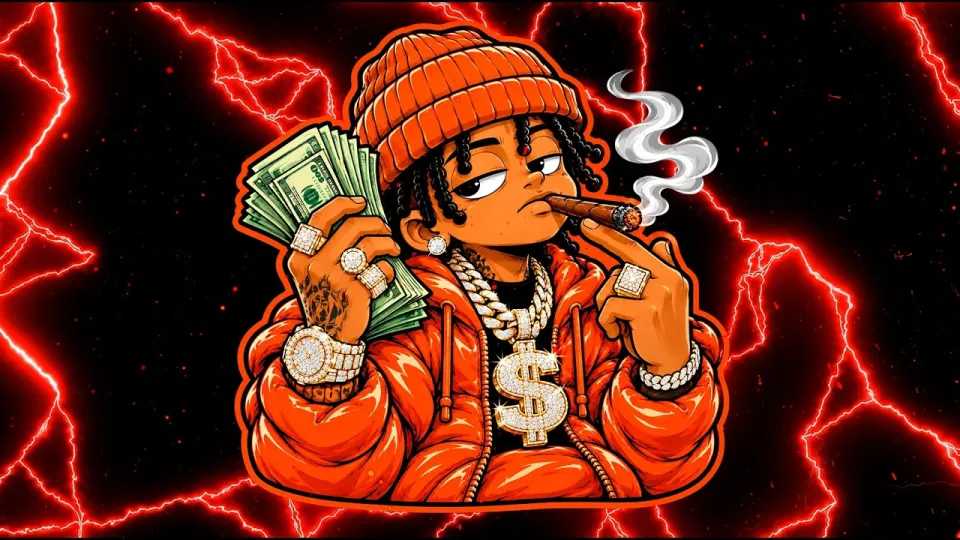
Video: FREESTYLE TYPE BEAT - ''I HAVE HARD FLOW'' | Trap Instrumental 2026 | Rap Type Beat
Want articles like this for your own video to promote it on YouTube and Google? Order them through the Telegram bot @sat_sit_bot. Articles with your video embedded are written and posted by the bot itself — on popular topical sites (no ads). Free trial — 50 articles.
· based on the channel Rey Pandora Beats
A type beat is an original instrumental that a producer builds in the style, tempo and mood of a well-known artist or scene, then offers to rappers who want to write or freestyle over that sound without clearing a sample. The term describes the intended use rather than the ownership: the producer keeps the copyright, and you get permission through free-use terms or a paid license. In practice, that means a beat like Rey Pandora Beats' "I HAVE HARD FLOW" freestyle trap instrumental can be downloaded, written to and uploaded, but the rules on credit and monetization decide what you can legally do with the finished song. Licenses and beat packages are listed at the producer's BeatStars beat store.
What exactly does type beat mean in practice
A type beat is a ready-made instrumental written for a specific lane of rap, so an artist can record a demo, a freestyle or a full track without hiring a producer for a custom session. The label usually names a reference point, such as a Drake type beat or a Lil Baby type beat, so buyers know the tempo range, drum pattern and atmosphere before pressing play. Freestyle type beats are a subcategory built for long, uninterrupted vocal takes: steady hi-hat rolls, a loop that does not change too drastically, and enough space in the midrange for a rapper to ride the pocket.
The economics are simple. Producers upload dozens of beats, tag them with search-friendly names, and monetize through licenses instead of per-play royalties. For the rapper, a type beat costs far less than a studio session and arrives in minutes. For the producer, the model builds an audience: Rey Pandora Beats, for example, marks a milestone of 800,000 subscribers in the description of the "I HAVE HARD FLOW" upload from 19 October 2026 and points listeners toward a 900,000 target.
How the free use terms work on this beat
Free use of a type beat is a limited permission, not a transfer of ownership. Rey Pandora Beats allows the "I HAVE HARD FLOW" instrumental to be used at no cost in YouTube videos and personal projects as long as those projects are not monetized. The one condition that is not optional is credit: the producer must be named as Rey Pandora Beats in the video description or in the project credits.
A workable checklist for a free-use upload:
- Confirm the project generates no revenue, including ad income, paid streams or sponsored placement.
- Write the credit line exactly as the producer asks, for example "Beat by Rey Pandora Beats" in the description.
- Keep the original beat file and a screenshot of the terms in case a claim is filed later.
- Do not register the song with a distributor or content ID system while you are on free terms.
If a video starts earning money after publication, the free permission no longer covers it. The clean fix is to buy the license before the revenue arrives, not after.
When you need a commercial license
A commercial license is required the moment money is involved: monetized YouTube videos, Spotify, Apple Music, iTunes and other streaming platforms, or any release that generates income. The license converts a free favor into a documented right to distribute the recording, and it usually defines the number of streams or sales allowed, the term, and whether you may register the song with content ID.
Practical steps for going commercial:
- Open the producer's store and find the exact beat title, not just the genre tag.
- Choose the license tier that matches your release plan, from a single-track lease to broader distribution rights.
- Pay and download the license PDF together with the untagged instrumental files.
- Store the license where your distributor can see it if a copyright claim appears.
- Credit the producer in the release metadata as well as the video description.
Leases are typically cheaper but limited in stream counts and exclusivity, while exclusive purchases remove the beat from the public catalog. Read the tier descriptions rather than assuming every license covers every platform.
Choosing the right freestyle type beat for your voice
A freestyle type beat should match the tempo and energy you can sustain for a full verse without punching in. "I HAVE HARD FLOW" is positioned as an aggressive trap instrumental, which suits punchline-heavy writing, fast internal rhymes and a delivery that sits slightly ahead of the beat. If your voice is low and dense, look for beats with a thinner high end so the hi-hats do not mask your consonants; if your voice is bright and fast, a busier drum pattern can work because the vocal cuts through anyway.
Three things to test before you commit:
- Record 30 seconds of your usual flow and listen back on phone speakers, not studio monitors.
- Check whether the beat has a clear section change, so your hook has somewhere to land.
- Confirm the file you downloaded is the untagged version if you plan to release it.
Freestyle beats are also a writing tool. Looping a single instrumental for an hour is often faster than searching for a perfect custom beat, and the constraint pushes you toward finishing a full take.
Credit, content ID and the mistakes that trigger claims
The most common problem with type beats is not the beat itself but the paperwork around it: missing credit, a distributor registering a song that contains a leased instrumental, or a free-use track that quietly became monetized. Content ID systems scan uploads automatically, so a producer who has registered an instrumental can flag your video even if you meant no harm. A written license and a visible credit line resolve most disputes quickly.
A second frequent issue is file hygiene. Keep the tagged preview and the licensed untagged file in separate folders, name them with the beat title and license date, and back them up. If you collaborate, share the license terms with your featured artist in writing, because the responsibility for clearance usually falls on whoever uploads the track.
Where to find the beat and the producer's links
All official links for this release and the producer's catalog are collected here so you can verify terms at the source rather than on a reupload:
- Beat store and licenses: https://reypandorabeatsoff.beatstars.com/
- Instagram: @rey.pandora
- Contact email: papapandorabeat@gmail.com
- The "I HAVE HARD FLOW" freestyle type beat video: https://www.youtube.com/watch?v=CHN7gYSlbSI
- Alternate playback link listed by the channel: https://www.youtube.com/watch?v=48TGvU3uvaM
Always check the description of the original upload for the current version of the terms, since producers update license conditions as their catalog grows.
What listeners and writers ask most about hard trap beats
The recurring questions around hard type beats concern tempo, mixing and whether a free download is genuinely usable. Aggressive trap instrumentals usually sit in a mid-tempo range where double-time hi-hats still leave room for a natural vocal cadence, and the mix tends to keep the 808 low and long while the melodic loop stays short and repetitive. That structure is what makes a beat feel "hard": minimal harmonic movement, heavy low end and a drum pattern that hits on the downbeat without clutter.
Writers also ask whether they can change the beat. Editing tempo, cutting sections or adding instruments is normally allowed within a license, but reselling the instrumental as your own is not, under any tier. Finally, viewers often note that the visual presentation of a beat channel matters almost as much as the audio, since thumbnails and artwork set expectations before the first bar plays.
Final take on using a type beat in 2026
A type beat is the fastest route from an idea to a finished record, provided the license matches the release. Rey Pandora Beats lays out clear terms for "I HAVE HARD FLOW": free for non-monetized personal projects with credit, paid for anything that earns money or reaches streaming platforms. Decide your release plan first, then pick the license tier, then record. When you are ready to clear a track properly, buy the license through the Rey Pandora Beats store and keep the paperwork with your session files.
Key takeaways
- A type beat is an original instrumental made by a producer in the style of a known artist or scene, sold or shared for rappers to write and record over.
- Rey Pandora Beats released the freestyle trap instrumental "I HAVE HARD FLOW" on 19 October 2026 and credited a channel milestone of 800,000 subscribers.
- Free use of the beat is allowed for non-monetized YouTube videos and personal projects, but credit to Rey Pandora Beats is mandatory.
- Monetized YouTube uploads and distribution to Spotify, Apple Music or iTunes require a paid commercial license from the producer's BeatStars store.
- Licenses are bought through https://reypandorabeatsoff.beatstars.com/, where the producer lists beats and their terms.
Source: FREESTYLE TYPE BEAT - ''I HAVE HARD FLOW'' | Trap Instrumental 2026 | Rap Type Beat · Markdown version
Questions & answers
Can I upload a song on a free type beat to YouTube?
Yes, if the upload is not monetized and you credit the producer in the description or credits. Rey Pandora Beats requires the name Rey Pandora Beats to appear as producer. The moment ads, sponsorships or paid streams are involved, you need a commercial license instead.
Do I need a license to put the track on Spotify or Apple Music?
Yes. Distribution to Spotify, Apple Music, iTunes and similar platforms counts as commercial use, so a paid license is required before release. The license also documents your right to the instrumental if a copyright claim is filed.
Can I change the tempo or arrangement of a type beat?
Editing tempo, cutting sections or adding elements is generally permitted within a license, because the license covers your recording of the beat. What stays off limits is claiming the instrumental as your own or reselling it. Check the specific tier terms before making major changes.
What should I do if my video gets a copyright claim on a type beat?
First check whether you have a valid license and a visible credit line. If the use was free and non-monetized, contact the producer directly with the video link and ask for a release or retroactive license. Keeping the license PDF and the original beat file on hand makes resolving the claim much faster.